Cosplay? Origins, and Its Place in Modern Culture
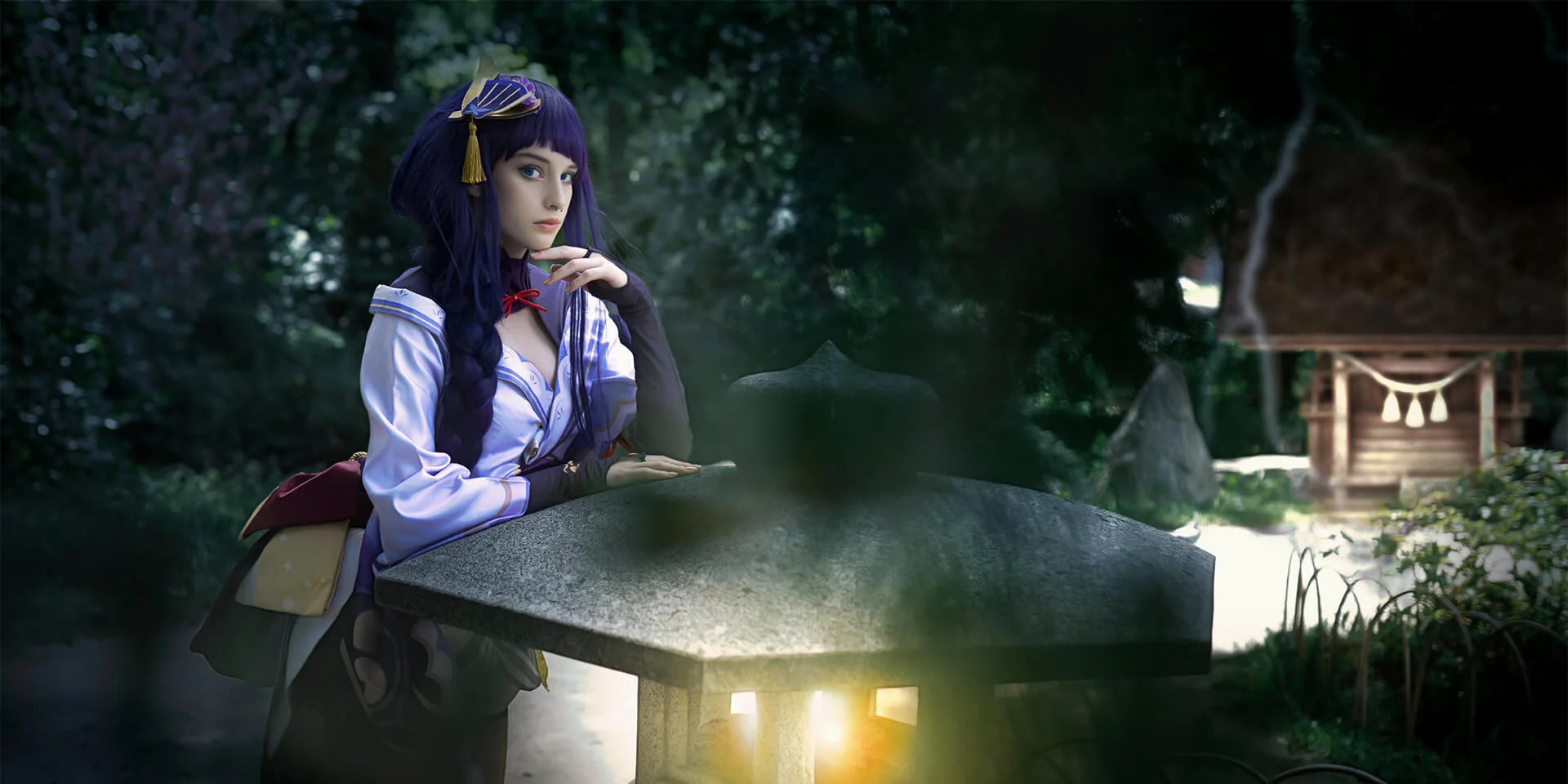
Walking through the halls of gaming and fantasy conventions, it's impossible not to notice the colorful characters straight out of movies, comics, or video games. These are cosplayers—people for whom dressing up as their favorite hero is more than just play. But what exactly is this phenomenon, where does it come from, and what role does it play in today's cultural landscape?
Definition: A Fusion of Costume and Performance
The name "cosplay" comes from the English words "costume" and "play." In its broadest sense, it is the practice of identifying with a fictional character by recreating their appearance and often their behavior.
However, it's not just about putting on a ready-made outfit. For most enthusiasts, cosplay is a multi-stage creative process that can include:
- Designing and sewing costumes,
- Modeling and crafting props (e.g., weapons, armor),
- Makeup artistry and wig styling,
- Learning to pose for photos and embodying the character's signature gestures and expressions.
The Birth of a Phenomenon: From Fandom to a Global Movement
The roots of cosplay date back to the 1930s and 1940s in the United States. The pioneers were fans of science fiction literature who organized the first conventions (known as Worldcons). Participants at these gatherings, sometimes called "futurians," began creating and wearing costumes inspired by SF magazine covers and novels. This was the germ of the later phenomenon, although the term itself didn't exist yet.
The turning point came in the 1970s and 1980s in Japan. It was there, at conventions dedicated to manga and anime, that the practice developed on an unprecedented scale. The term "cosplay" was coined by Japanese journalist Nobuyuki Takahashi (often styled as Takahashi Nobuyuki) after his visit to the 1984 Worldcon in Los Angeles. He felt that the English word "masquerade" didn't fully capture the essence of the activity, so he created a new, more fitting term.
From Japan, where it quickly became an integral part of otaku (anime and manga fan) culture, cosplay returned to the Western world in the 1990s and early 2000s. There, it merged with existing convention traditions, creating a diverse and global community.
Why Do People Do It?
The reasons someone decides to cosplay are varied. The most commonly cited motivations include:
- Tribute to a Favorite Character: This is the purest form of love for a given universe. Cosplay allows you to "step into the shoes" of a hero, showing them respect and affection.
- Creativity and Craftsmanship: For many, cosplay is an artistic and technical challenge. Sewing a complex costume, crafting armor from EVA foam, or building intricate props provides immense satisfaction and allows for the development of practical skills.
- Community and Belonging: Conventions and online forums are places where cosplayers can meet like-minded people. Shared photoshoots, discussion panels, and contests build strong social bonds.
- Escapism and Self-Expression: While in costume, you can become someone else for a while. For many, this is a form of self-therapy, allowing them to momentarily forget daily problems and express traits that are usually suppressed.
Subculture or Artistic Movement?
The question of whether cosplay is a subculture is often debated. Traditionally, a subculture (e.g., punks, hippies, emos) is defined by a distinct set of values, a specific lifestyle, and often a resistance to the dominant culture.
Cosplay doesn't quite fit this definition. It is more of a social phenomenon and an artistic/hobbyist activity centered around a specific pursuit. Cosplayers don't share a unified ideology, they don't rebel against the system, and their "lifestyle" mainly revolves around the time dedicated to creating costumes and attending events.
Instead, it can be seen as an integral part of the broader fan culture (fandom). It's a form of engagement with popular culture that shifts from passive consumption (watching a movie, reading a comic) to active creation. Increasingly, cosplay is also discussed in the context of performance art and artistic craftsmanship, as the quality of some work rivals professional film costumes.
What's It All About?
The core of cosplay is best captured by the word "play" found in its name. Despite the enormous amount of work, financial cost, and emotional energy many cosplayers pour into their projects, the foundation is the joy of creating and being part of a fantastic world.
It's about the magic of transformation, the satisfaction of a job well done, and the sparkle in the eye of another fan who, upon seeing their favorite character in the flesh, excitedly exclaims, "Can I take a picture with you?"
Cosplay is a bridge between imagination and reality—proof that the worlds on our screens and in our books are so important to us that we want, for a little while, to literally wear them on our sleeves.